Saturday Schedule
-
Time: 8:30-9:00
Location: 2nd Floor, Innovation Building
Info: Coffee and tea will be available
-
Time: 9:00-10:00
Location: Tantipipatpong Theatre
Presenter: Dr. Tim Shanahan
Teaching Reading with Complex Text
For generations, teachers have been told that it was essential that students be taught at their reading levels. This has led to a plethora of assessments, text leveling systems, and small group instructional routines, all aimed at ensuring that students are not placed in challenging texts for instruction. Students do learn to read from this approach. However, recent research shows that it reduces student progress — they don’t learn as much as they could if taught with texts that pose greater difficulties for them. This presentation explores that research and proposes alternative practical approaches to developing students' reading comprehension abilities with difficult text.
-
Time: 10:00-10:20
Location: Black Box Theatre and Foyer
-
Time: 10:25-11:40
___________________
🌐 Reading-Writing Relationships
Grades K-12
Description: Writing ability is important. We should teach students to write well. However, engaging students in writing has a positive impact on reading development. This presentation explores three conceptions of the role that writing can play in teaching reading — considering both the research and practical activities that can make students better readers.
Facilitator: Dr. Tim Shanahan
Location:Pavilion Lecture Hall (2401)
___________________
💬 Designing Language Scaffolds: Building Bridges for Multilingual Learners
Grades K-12
Description: Language is an essential bridge to meaningful learning experiences. When we amplify language instead of simplifying it, multilingual learners gain access to complex content while learning an additional language. How might we design strategic language scaffolds that enhance understanding and support communication in English? You’ll explore K-12 transdisciplinary writing examples and leave with a practical toolbox of language scaffolds (e.g., sentence starters, paragraph frames) that bridge content and language.
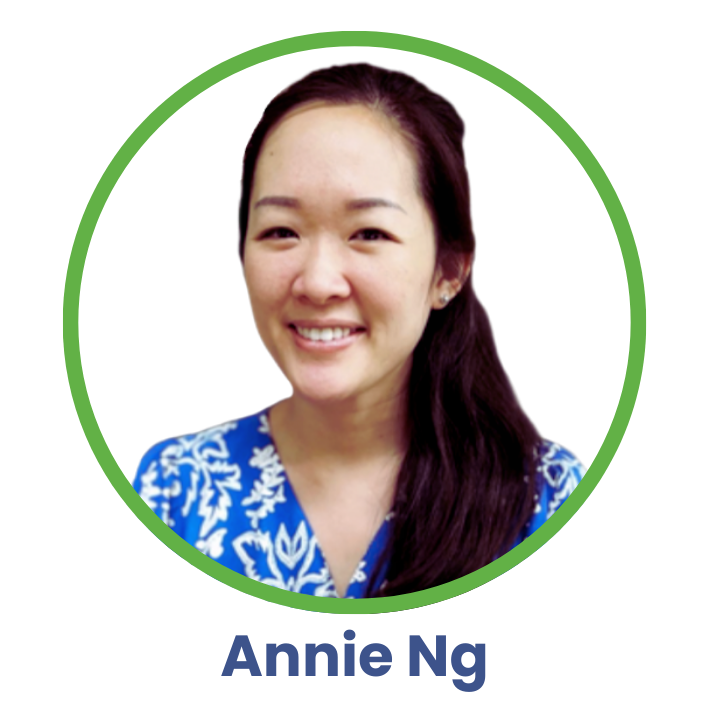
Facilitator: Annie Ng
Location: 1316
Resources: Link
___________________
🌐 Designing Coherent Literacy Pathways: Planning Units and Yearlong Journeys with Knowledge at the Center
Grades K-8, Coaches, Leaders & Coordinators
Description: As more schools move toward shared texts, text sets, and knowledge-rich literacy experiences, an important question emerges: How do we design units, and full-year pathways, that intentionally build knowledge, vocabulary, and conceptual understanding over time?
This session explores how to plan for the big picture of literacy learning whether you’re:
just beginning to shift toward shared texts and want a manageable, strategic entry point,
already building text sets and bespoke units but seeking more coherence, or
redesigning your POI or curriculum map and want literacy to meaningfully anchor student learning.
We’ll explore ways to plan coherent yearlong arcs, use shared texts strategically, and make smart integration choices. You’ll leave with practical ideas and models for designing purposeful, knowledge-rich literacy learning over time, no matter your school’s starting point.
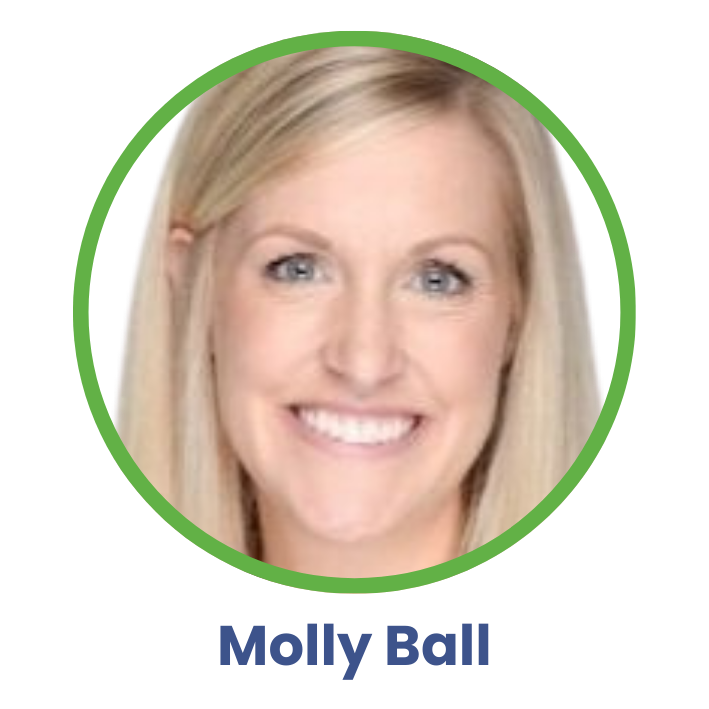
Facilitator: Molly Ball
Location: 1307
Resources: Padlet
___________________
📚Making Sense of Mathematics: Approaches, Strategies, and Opportunity
Grades K-8
Description: In this special session for math teachers, we’ll explore how we make sense of math in the K-8 classroom. You’ll have an opportunity to:
gain a shared understanding about the essential elements of a balanced approach to teaching and learning math.
explore a student-centered approach that allows students to problem solve, model, and communicate & reason.
learn about the importance of providing opportunities for students to use concrete, pictorial and abstract strategies that lead to fluency and number sense.
make sense about how this approach to teaching and learning mathematics in elementary and middle school impacts how high school students approach higher level mathematics courses and beyond.
Facilitator: Caty Romero
Location: 1315
___________________
📚 Fluency: From Assessment to Practical Classroom Routines
Grades 2-6
Description: We hear a lot about reading fluency these days—but what’s the big deal, and why are schools investing so much time and energy in fluency assessment and instruction? In this session, we’ll explore why fluency matters, how it bridges word recognition and comprehension, and how fluency passages serve as one of the most efficient and powerful indicators of future reading success. From there, we’ll move into practical, classroom-ready routines you can implement immediately, including choral reading, cloze reading, augmented silent reading, and structured partner reading.
We’ll also take a closer look at fluency pairs—how intentional pairing, repeated practice, and clear roles can build accuracy, rate, and prosody while fostering student confidence and collaboration. Austin will connect the research to practice, sharing clear, actionable takeaways drawn from his classroom experience and his work supporting schools, so teachers leave with routines they can use the very next time they see their students.
Facilitator: Austin Wellman
Location: 1306
___________________
🌐 Visible Thinking in the Age of AI: Rethinking Literacy and Assessment for Learning
Grades 6-12
Description: As generative AI reshapes how students compose and present their ideas, educators face a deeper question: what counts as learning? Drawing on Philip Lawton’s suggestion to center validity as well as research by Robert and Elizabeth Bjork distinguishing performance from durable learning, this session reframes assessment for an AI-shaped landscape. Rather than centering detection or privileging polished output, we explore how thoughtful task architecture can foreground thinking itself.
Participants will examine how multiple modes of literacy can serve as meaningful evidence of understanding. Through practical examples and adaptable design tools, educators will leave with strategies to design process-rich tasks, make student reasoning visible, and preserve rigor while expanding authenticity in a rapidly changing educational landscape.
Facilitator: Emily Thomas
Location: 1314
Resources: Padlet
-
Time: 11:50 -12:50
___________________
🌱 Crystal Alchemy Soundbath: An immersive healing that takes you deep within
Description: In the busyness of being an educator, we sometimes need to take the time to care for ourselves and give our nervous system a moment of deep healing that it deserves. I invite you to experience a Crystal Alchemy Soundbath—a deeply soulful and meditative experience that will leave you feeling both deeply rested and rejuvenated. Using high-frequency quartz crystal singing bowls, this session washes away the "mental chatter" with pure, resonant vibrations. As the harmonic tones surround you, your brainwaves naturally shift from a state of high-alert activity to a restorative alpha or theta state, triggering the body’s parasympathetic nervous system. This immersive journey works on a cellular level to release stored tension, reduce cortisol levels, and quiet the mind. Attune to your inner being, open your heart, and simply breathe and be.
Facilitator: Andrea Morris
Location: 2206
___________________
🌱 The Soul of Abstract: Journey into the inner landscape
Description: There is a creative soul inside every one of us. This inner voice helps us grow with stability, rooted in what we love and what brings us meaning. Abstract art serves as a daily nourishment for this spirit, enriching our sense of human being.
This session is an invitation to reconnect with your heart and soul. We will step into the world of abstract art—a place that offers us the freedom to think and feel. Inspired by the works of abstract artists and using a variety of art materials, we will navigate the creative process.
You will discover what abstract art truly means to you as an educator and a person.
Facilitator: Navin Tantanadaecha
Location: 1306
___________________
🌱 Made to Bloom: Where flower crowns meet creativity and connection
Description: Come make something beautiful! In this relaxed, hands-on session, you will create flower crowns while enjoying a moment of calm, creativity, and connection. Designed as a wellness pause, this experience invites you to reconnect with joy, imagination, and the kind of creative play that fuels learning. Leave refreshed, inspired, and wearing your creation (that you can show off at happy hour)!
Facilitator: Karen Hendren
Location: 1307
___________________
🌱 Circle Up: Building Community and Emotional Skills Through Connection
Description: This wellbeing session invites you to experience the power of community circles—an SEL practice that strengthens belonging, emotional awareness, and shared humanity. While taking part in community-building circles, we will reflect on our own wellbeing, and observe the intentional choices that make circles effective: crafting thoughtful prompts, establishing grounding agreements, and creating the psychological safety needed for honest dialogue. This workshop blends practical skill-building with lived experience. You’ll walk away not only with strategies you can use back at school, but also with a renewed sense of connection and clarity from engaging in the circle process yourself. Join us to reconnect with others, deepen emotional skills, and rediscover how powerful it can be to simply gather, listen, and be heard.
Facilitator: Kristine Mizzone
Location: 1316
___________________
🌱 Spreading Joy One Dot at a Time: Exploring Mindfulness and Creativity through Dot Painting
Description: Led by renowned artist Amy Diener, this 60-minute session invites educators to slow down, reconnect, and restore through the calming practice of dot painting. Thoughtfully designed as a gentle, guided creative experience, the session encourages mindfulness, presence, and self-reflection in a supportive, pressure-free environment. Participants are guided step by step as they create their own 10cm mandala on canvas, using repetitive dot techniques that naturally quiet the mind and support emotional regulation. No prior art experience is needed—this is about process, not perfection. Educators leave with a finished artwork and practical insight into how creative mindfulness can support wellbeing, reduce stress, and cultivate greater balance both in and beyond the classroom.
Facilitator: Amy Diener
Location: 1302
___________________
🌱 Women in Leadership: Creating Conditions for Inclusive Leadership
Description: This session is designed to spark bold conversations and ignite change. Participants will:
Celebrate the evidence that women are driving impact across industries, proving themselves as powerful assets in leadership while challenging outdated misconceptions.
Co‑create strategies with peers of all genders to break down bias, accelerate progress, and build workplaces where inclusivity is the norm, not the exception.
Engage in transformative dialogue about the shared responsibility of men and women in shaping a future of inclusive leadership—supported by compelling data, resources, and real‑world examples that fuel momentum for lasting change.
Together, we’ll move beyond discussion to inspiration and action—equipping every participant to champion inclusivity and lead with courage, authenticity, and vision.
Facilitator: Caty Romero
Location: 1315
-
Time: 12:55 - 13:40
Location: Black Box Theater and Foyer
-
Time: 13:45 - 14:15
Location:
PK- Grade 2 - 1306 & 1307
Grades 3-5 - 1314 & 1316
Grades 6-12 - 1302
Coaches & Coordinators - 1315
Language Learning - 1311
Learning & Language Support - 1309
School Leaders - 1317
-
Time: 14:15 - 14:25
-
Time: 14:25 -15:40
___________________
Reading-Writing Relationships
Grades K-12
Description: Writing ability is important. We should teach students to write well. However, engaging students in writing has a positive impact on reading development. This presentation explores three conceptions of the role that writing can play in teaching reading — considering both the research and practical activities that can make students better readers.
*Note: This session is a repeat of Session 1.
Facilitator: Dr. Tim Shanahan
Location: Pavilion Lecture Hall (2401)
___________________
💬 Talk That Teaches: Designing for Thinking, Belonging, and Bravery
Grades 3-12
Description: Learning is deeply social. Students’ willingness to share ideas depends not only on what they know, but on whether they feel known. This session blends findings from learning science and social belonging research to show how classroom talk can strengthen both cognition and confidence. You’ll explore how simple shifts in teacher language and structure can create space for all students to think, speak, and learn out loud.
Facilitator: Katie Vis
Location: 1307
___________________
🌐 Beyond the English Classroom: Disciplinary Literacy as a Bridge Across School Transitions
Grades 4-12
Description: Student transitions can falter not because learners cannot read or write, but because the rules for making meaning change across subjects and school phases. This workshop invites teachers of all disciplines and age levels to explore how different disciplines construct and communicate knowledge, how these expectations shift at key transition points, and how disciplinary literacy can clarify these demands to support continuity and student success as literacy becomes increasingly specialised.
Facilitator: Sarah McCord
Location: 1309
___________________
✏️ Sentences that Stick: Using Gist Statements to Strengthen Writing and Boost Comprehension
Grades K-5
Description: Gist statements are a simple, high-impact routine that can transform the way students make meaning and craft sentences. In this session, we’ll explore how one well-constructed sentence can boost comprehension, sharpen syntax, and set students up for stronger text-based writing. You’ll learn what makes a high-quality gist, practice writing them with a variety of texts, and see how this quick routine can open rich opportunities for grammar and vocabulary in context. Come ready to collaborate, try out the strategies yourself, and leave with practical tools you can use across the day to help students create sentences that truly stick.
Facilitator: Molly Kaschub
Location: 1306
Resources: Padlet
___________________
📚 Checking in on Understanding: How to Make Your Own Meaningful Unit-Based Reading Comprehension Assessments
Grades 2-8
Description: Now that many international schools around the world are beginning to shift to oral reading fluency assessments as standard screeners in elementary, the question becomes: how do we best assess language comprehension in authentic and purposeful ways? This workshop session focuses on creating unit-based comprehension assessments, replacing traditional leveled interviews with tasks that reflect classroom instruction. Participants will explore possible ways to ensure comprehension is assessed through meaningful texts that connect directly to the reading unit.
Facilitator: Erika Olson
Location: 1315
Resources: Resource Folder
___________________
✏️ Teachers as Travel Agents: Designing Personalized Writing Journeys
Grades 5-12
Description: Join me for this extended metaphor. We know that all students learn (travel) at different paces, in different directions, and in different ways. Ditch rigid classwide grading for flexible student travel itineraries. Learn how to design clear destinations (success criteria) and offer students different routes to get there (choice). Walk away with a "travel kit" of rubrics and trackers that build student agency and save you grading time.
Facilitator: Julie Ward
Location: 1316
Resources: Padlet
-
Optional
Time: 16:00-18:00
Location: Bloom Cafe
Sunday Schedule
-
Time: 8:00-8:30
Location: 2206
Presenter: Emily Thomas
🌱Sunday Slowdown: Seated Yoga and Mindfulness
Before the noise of the day begins, join us for 30 minutes of intentional quiet. This is a low-intensity, no-sweat practice centered on the Power of Pause. We will blend gentle, seated movement with reflective poetry and restorative stillness to help you restore focus, resilience, and calm in a world of constant digital distraction.
Attire: Come as you are. This session is intentionally designed for those dressed for a conference; no gym clothes or changing required.
Comfort: All movements are grounded and wardrobe-friendly for those in slacks, dresses, skirts, or whatever your attire may be.
Mindset: No prior experience is needed; this is a supportive space to slow down, reflect, and understand what you want to do with the day ahead.
-
Time: 9:00 - 10:00
Location: Tantipipatpong Theatre
Presenter: Kristine Mizzone
Where Wellbeing Meets Learning: The Future of Education
Learning cannot thrive without wellbeing. In this keynote, we examine the six universal social and emotional needs all humans carry and how they form the foundation of the future of education. Drawing on powerful examples from our very schools, we will explore how intentional design can transform these needs into lived experiences for students and educators alike.
This keynote offers both affirmation and aspiration: affirmation of the meaningful, human-centered practices already taking shape in schools, and aspiration toward environments where every member of the community, child and adult, feels supported in ways that promote genuine wellbeing. Before we return to our respective contexts, this session is both a mirror and a map: a moment to reconnect with what matters most, to see what is already working, and to imagine what becomes possible when we intentionally design for human needs. The future of education begins here: at the place where wellbeing meets learning.
-
Time: 10:00 - 10:10
-
Time: 10:10 -11:25
___________________
🌐 Mid-Year Check: Is Your Literacy Work Sticking?
Grades K-12
Description: Meaningful shifts take time to take root, whether you’ve launched a new program, redesigned units, or refined your school’s literacy framework. By mid-year, the excitement often gives way to practical questions: What’s working? What needs attention? And how can we tell?
In this interactive session, we’ll step back to assess progress through the lens of implementation science. Together, we’ll look at classroom evidence, teacher experiences, and student learning to pinpoint what’s taking hold and where to focus next. You’ll leave with simple tools and reflection protocols to run your own mid-year check and a clear process for translating insight into action for the second half of the year.
Facilitator: Katie Vis
Location: 1314
Resources: Padlet Link
___________________
🌐 Leading Change: Driving new initiatives forward with clarity, collaboration and collective enthusiasm.
Grades K-12
Description: Driving meaningful change requires more than just a strategic plan; it requires a movement. To move the needle on student outcomes and staff culture, leaders must ignite action across three critical dimensions: Self, Team, and Process. In this session, we move beyond the "what" of school initiatives and dive into the "how" of impactful leadership. We will explore:
Leading Yourself: Cultivating personal credibility and emotional intelligence
Leading Your Team: Building collective momentum to manage complex change
Leading the Process: Creating change that is sustainable and measurable.
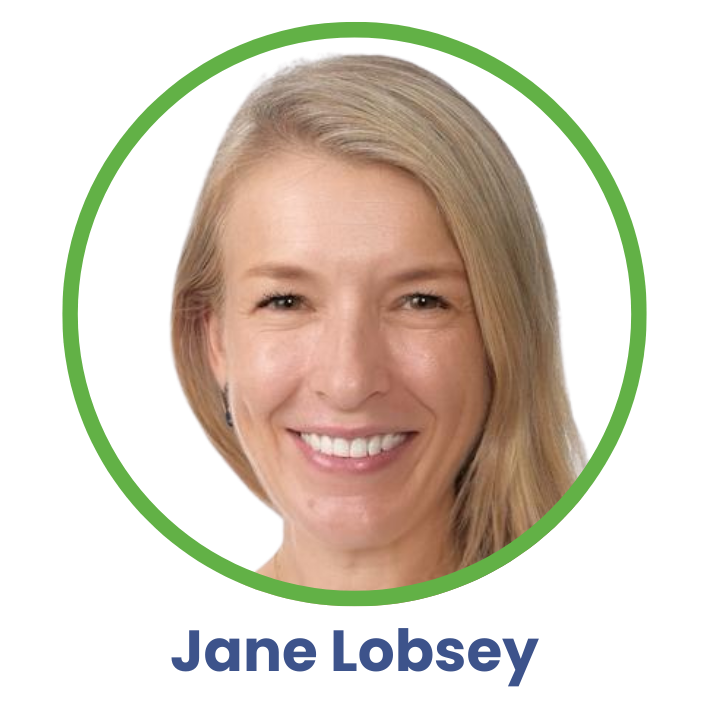
Facilitator: Jane Lobsey
Location: 1306
___________________
💬 Teaching Across Languages: Activating Linguistic Assets for Instructional Impact
Grades K-12
Description: Multilingual learners thrive when they draw on their full linguistic repertoire to engage deeply in literacy and content learning. We’ll examine how to strengthen instruction through explicit instruction that builds metabilingual awareness and cross-linguistic connections between English and home languages (e.g., word study, syntax study). You’ll explore research-backed practices and leave with a framework of look-fors that support ongoing professional learning for EAL and bilingual immersion teachers.
Facilitator: Annie Ng
Location: 1309
Resources: Resources
___________________
📚 Reducing Load, Building Meaning: Bringing the Science of Reading into Mathematics Instruction
Grades K-8
Description: Shifts in literacy practice have been at the forefront for many schools, and as they become more embedded, the spotlight naturally expands to other subject areas. What if we examined our approaches to mathematics through the lens of the Science of Reading?
In this session, we will explore how coherence in mathematical vocabulary, meaningful fluency and flexible thinking, and intentional routines that support mathematical reasoning align with the moves we already make in effective literacy instruction. You’ll leave with ideas for school-wide practices that promote coherence in mathematics, as well as practical strategies that reduce cognitive load, support multilingual learners, and strengthen flexible, conceptually rich mathematical thinking.
Facilitator: Andrea Rees
Location: 1307
Resources: Padlet Link
___________________
💬 The Power of Pause and Much More: Talk Strategies for Learners Age 2-5
Grades EY-K
Description: Learning to read and write begins long before a student picks up a pencil. It starts with talk. Grounded in decades of research on early language acquisition and oral language development - the single greatest predictor of future literacy success - this session equips educators with simple, high-impact strategies to transform everyday conversations into powerful learning opportunities.
We'll move beyond casual interaction to explore intentional communication techniques. Participants will learn the "Three S" approach, including the crucial role of the Pause, to increase the complexity, length, and confidence of children's verbal responses. We will unpack the science behind phonological awareness (the auditory foundation of reading) and practice effective ways to build vocabulary and narrative skills through rich, scaffolded dialogue.
You will leave with practical, evidence-based communication protocols you can immediately apply across all areas to ensure every learner gains the strong language foundation needed to thrive.
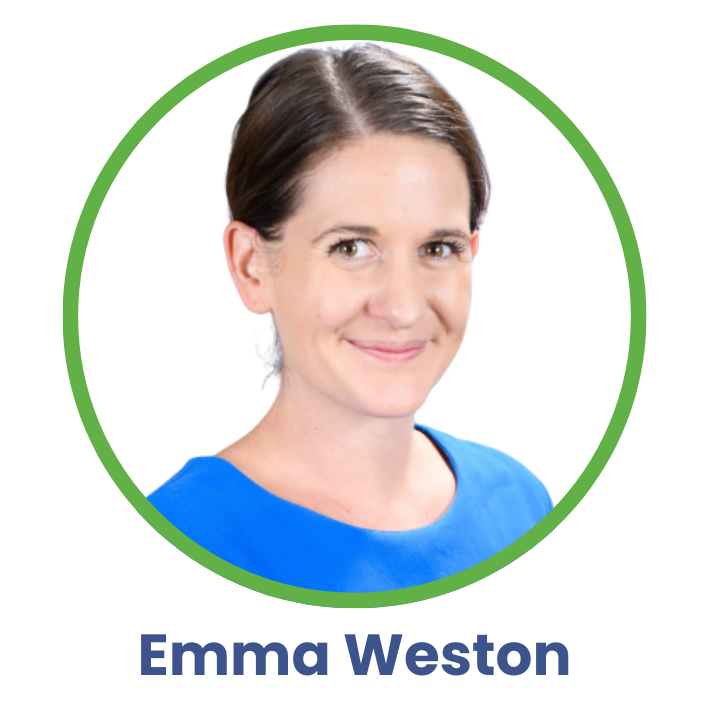
Facilitator: Emma Weston
Location: 1311
Resources: Padlet Link
___________________
🌐 Beyond the Classroom Block: Literacy learning through specialist subjects and shared planning
Grades PK-5
Description: Literacy does not live in a single block of the day. It lives in every discipline where children observe, move, create, and make meaning. This session explores how disciplinary literacy and intentional co-planning with specialist teachers can transform literacy learning, especially writing, from an isolated task into an authentic, connected practice. Together, we will examine how the arts, music, PE, and other specialist subjects offer powerful entry points for language development, meaning-making, and purposeful writing. We will also look at how collaboration creates space in already-full schedules without sacrificing depth. You will leave with practical co-planning tools, lesson structures, and real classroom examples that make literacy instruction feel integrated, visible, and grounded in the work children do across the day.
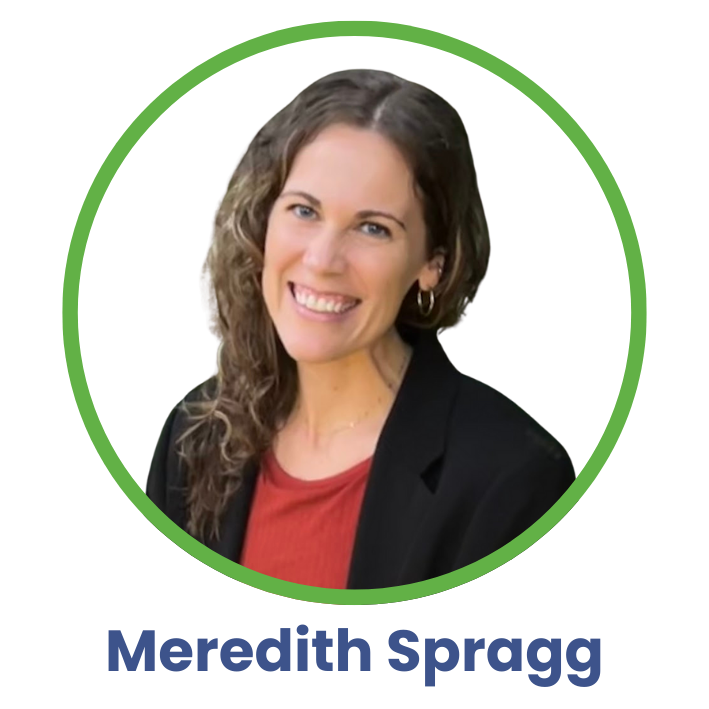
Facilitator: Meredith Spragg
Location: 1316
Resources: Padlet
___________________
📚 Building Knowledge Through Text Sets: Designing Intentional Reading Resources
Grades EY-5
Description: This session supports elementary teachers in learning how to design purposeful text sets that strengthen reading instruction and deepen student understanding. Participants will be guided through a clear process for building their own intentional groups of texts used across a reading unit and organized around a common module of knowledge. Teachers will explore how thoughtful text selection builds students’ schema, as vocabulary and background knowledge are essential for reading comprehension and for accessing increasingly complex texts. The session also highlights how well-designed text sets enhance transdisciplinary learning, helping students connect ideas and transfer knowledge across subject areas.
Facilitator: Erika Olson
Location: 1315
Resources: Padlet
___________________
🌐 How Assessment Literacy Builds Academic Language
Grades 5-12
Description: This session explores assessment literacy as a twofold skill: understanding assessment demands and intentionally using the language of assessment to build students’ academic language. Framed through content-area literacy, the session focuses on how command terms embedded in assessment tasks shape how students are expected to think, respond, and communicate across subjects. Designed for Grades 6–12 teachers across all disciplines, with particular relevance for middle school classrooms and English language learners, the session highlights practical ways teachers can make assessment language explicit and leverage it to strengthen students’ academic language and support success across the curriculum.
Facilitator: Sarah McCord
Location: 1317
___________________
📚 Making Close Reading Stick: Engaging, High-Impact Moves for Secondary Readers
Grades 6-12
Description: Close reading doesn’t have to feel rigid - or boring. In this practical session, we’ll zoom in on why close reading matters for adolescent learners and how to choose texts that spark curiosity. We’ll explore high-leverage strategies that sharpen student attention and keep the process lively, even when the content gets challenging. You’ll experience close reading from the learner perspective, experiment with a range of moves you can use tomorrow, and walk away with a lesson you can try with your students next week.
Facilitator: Jenny Killion
Location: 1302
Resources: Padlet of Resources
-
Time: 11:35 -12:50
___________________
🌐 Coaching Through Change: Supporting Meaningful Instructional Shifts
Grade K-12 Leaders, Coaches, & Coordinators
Description: Coaching during instructional change is complex—teams have mixed readiness, individuals enter from different starting points, and the work demands clarity, empathy, and purpose. In this session, we’ll explore the realities of change in schools today, including trends emerging around the world, and consider how change-management principles can guide effective coaching at the individual, team, or whole-school level. You’ll engage with practical tools and routines you can tailor to your context and leave with clear, usable coaching moves to support teachers and teams through ongoing instructional shifts.
Facilitator: Molly Ball
Location: 1314
___________________
📚 The Shared Reading Toolkit: Strategies to Deepen Content Knowledge Through Writing
Grades K-8
Description: In this workshop, we’ll look at how to bridge the gap between shared reading and writing using evidence-based practices that strengthen both language comprehension and writing composition. We will show how shared texts provide a natural framework for teaching syntax, vocabulary, and text structure while simultaneously deepening students' content knowledge. You’ll gain a toolkit of practical, high-impact strategies that help students more deeply understand what they read through writing experiences, ensuring they build both literacy skills and a richer understanding of texts.
Facilitator: Jane Lobsey
Location: 1316
___________________
📚 Purposeful Planning: Shared Reading for EY-G2 Word Study and Beyond
Grades EY-2
Description: With the growing number of literacy instruction essentials competing for limited time in the school day, teachers often ask where those minutes can be found. This session explores how a carefully selected picture book can serve as a powerful anchor for shared instruction, allowing teachers to intentionally extract multiple teaching points from a single text across early literacy.
Participants will explore how to plan with a picture book at the centre, identifying opportunities to teach word study, vocabulary, language structures, and comprehension through rereads and responsive instruction. The session will include time for teachers to examine texts, explore instructional possibilities, and consider how shared reading can enhance and streamline their existing curriculum.
Facilitator: Lauren Hateley-Crowe
Location: 1315
Resources: Padlet
___________________
✏️Strengthening Student Writing: Practical Strategies for International Classrooms
Grades 1-8
Description: This hands-on discussion introduces international school teachers to sentence-level writing instruction. This not only develops stronger thinking, but clearer writing across all subjects.
Participants will explore practical techniques—sentence expansion, sentence combining, as well as single and multi-paragraph outlines — to support students from diverse linguistic backgrounds. We’ll model routines that integrate writing into daily lessons, enabling teachers to scaffold complex ideas to enhance transdisciplinary instruction. Through short demonstrations and collaborative planning, attendees will learn to design quick, high-impact writing exercises that develop syntax, organization, and analytical skills. Austin will share real classroom examples from his international school context that illustrate adaptable lesson sequences for lower and upper primary grades. Teachers will leave with ready-to-use sentence templates and ideas for embedding new practices into units across the curriculum. (As a bonus, we will also layer in some tips on using a professional book club to drive change in your school context!)
Facilitator: Austin Wellman
Location: 1317
___________________
📚 Disrupting the Default: Facing Assessment Change with An Innovator's Mindset
Grades K-5
Description: With traditional assessments being questioned, we decided to take a bold step: to redesign literacy assessment from the ground up. Rather than measuring reading through leveled passages that privileged prior knowledge and favored fluent test-takers, we set out to create a system that reflected the real complexity of literacy development — one rooted in the science of reading and inquiry-driven learning. Along the way, we built a UFLI-aligned spelling assessment that requires the students to encode their phonics knowledge and a writing rubric grounded in composition and transcription skills that allows both teachers and students to see where learners are in their progression and plan next steps accordingly. This transformation wasn’t just about replacing one assessment with another — it was about shifting mindsets. You’ll leave inspired with practical ideas and frameworks for rethinking literacy assessment in your own context — from benchmarks to rubrics, from compliance to insight, and from measurement to meaning.
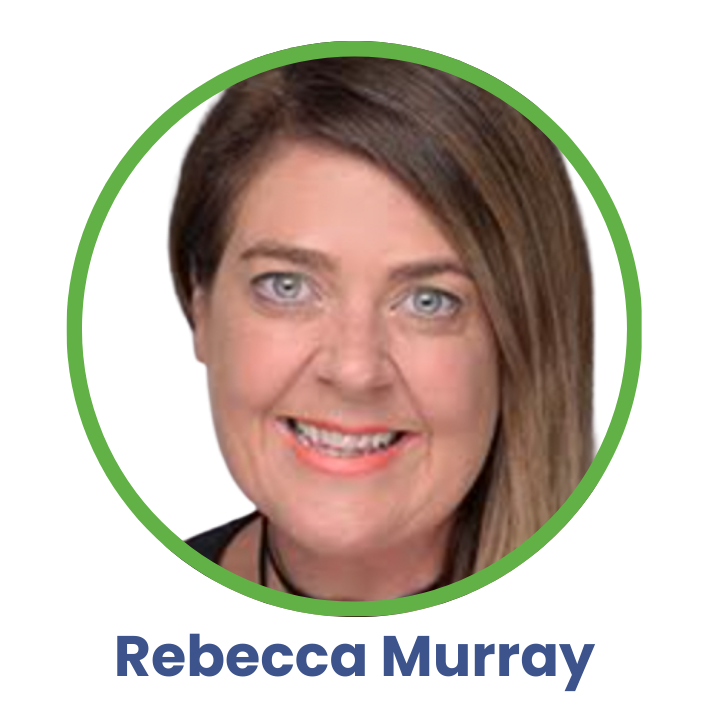
Facilitator: Rebecca Murray
Location: 1306
___________________
🌐 AI as Your Creative Partner: Purposeful Possibilities for 1-5 Learning
Grades 1-5
Description: Curious about AI tools and their potential? This session will help educators confidently explore AI as a creative partner in designing engaging learning experiences. You will explore multiple possibilities for AI integration focused around Google tools. You'll leave with practical tools, ready-to-use resources, and renewed confidence to take small, purposeful steps with AI in your classroom. Come ready to experiment, ask questions, and discover how AI can help create engaging, differentiated learning experiences. Please bring your laptop
Facilitator: Karen Hendren
Location: 1309
Resources: Google Doc
___________________
✏️ Writing That Works: A Classroom Case Study in Structured Writing and Knowledge-Building
Grades K-5
Description: Writing is one of the most complex tasks we ask students to do, yet many classrooms are still navigating how to support writers in meaningful and sustainable ways. In this session, we will briefly ground our work in the science of writing before exploring what structured writing instruction can look like in practice.
Using a second-grade classroom as a case study, participants will examine how thinkSRSD can serve as one effective framework for supporting planning, organization, and self-regulation—particularly when writing is grounded in shared, knowledge-rich content. Together, we will explore practical tools such as breaking down prompts into clear “do” and “what” components and using mnemonics like TIDE to support organization. Participants will leave with strategies they can try right away.
Facilitator: Molly Kaschub
Location: 1302
Resources: thinkSRSD Website
___________________
🌐Designing Durable Learning: Using Retrieval Practices to Strengthen Literacy Instruction
Grades 4-12
Description: This session draws on the science of learning to explore how retrieval practice strengthens long-term memory and supports deep literacy development. Participants will engage with research-backed strategies that make learning stick across classrooms and contexts, with a focus on practical applications in reading and writing instruction. The session also highlights thoughtful ways to use AI tools to support retrieval practices while keeping student thinking at the center. The session emphasizes practical takeaways, leaving teachers with ready-to-use approaches they can implement in their classrooms right away.
Facilitator: Natalie Gilbert
Location: 1307
___________________
🌐 Beyond Hand-Raising: Mastering Student-Driven Discussion
Grades 6-12
Description: Classroom talk doesn’t have to be a series of teacher-led questions and one-word answers. In fact, when students are the ones doing the talking, they are the ones doing the learning. Join us for this practical, hands-on workshop designed to transform your classroom from "teacher-led" to "student-driven" dialogue.
Drawing on research-based norms of collaboration and structured discussion protocols, this session provides a social contract for deep thinking and psychological safety. You will walk away with a ready-to-use toolkit of protocols that shift the cognitive load to your students, making their learning more visible, equitable, and impactful.
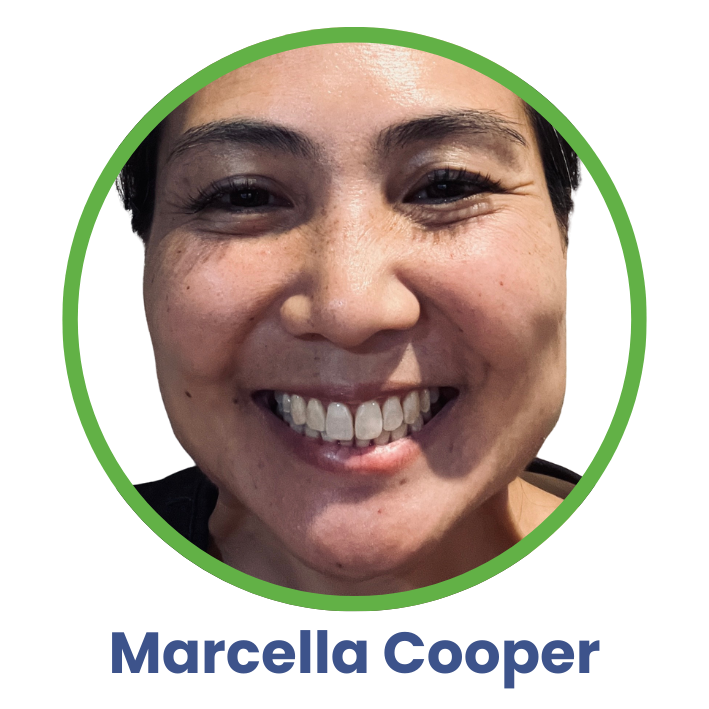
Facilitator: Marcella Cooper
Location: 1311
Resources: Presentation
-
Time: 12:55 -13:40
Location: Black Box Theater and Foyer
-
Time: 13:45 -14:45
___________________
🌱 Crystal Alchemy Soundbath: An immersive healing that takes you deep within
Description: In the busyness of being an educator, we sometimes need to take the time to care for ourselves and give our nervous system a moment of deep healing that it deserves. I invite you to experience a Crystal Alchemy Soundbath—a deeply soulful and meditative experience that will leave you feeling both deeply rested and rejuvenated. Using high-frequency quartz crystal singing bowls, this session washes away the "mental chatter" with pure, resonant vibrations. As the harmonic tones surround you, your brainwaves naturally shift from a state of high-alert activity to a restorative alpha or theta state, triggering the body’s parasympathetic nervous system. This immersive journey works on a cellular level to release stored tension, reduce cortisol levels, and quiet the mind. Attune to your inner being, open your heart, and simply breathe and be.
*Note: This session is a repeat of Saturday’s session.
Facilitator: Andrea Morris
Location: 2206
___________________
🌱 Everyday Color: Coloring Your Perspective
Description: Art invites us to discover the freedom within. It encourages us to pause, observe, and truly appreciate the small details—including the colors that surround us every single day.
In this session, you are invited to build a personal relationship with color. We will explore the mindful act of mixing paints freely, create a palette that speaks to your inner self, and learn to infuse everyday objects with your own personal hues.
Color has a deep connection to our emotions. By the end of this journey, you may find that the meaning behind these colors is, in fact, a reflection of your soul.
Facilitator: Navin Tantanadaecha
Location: 1306
___________________
🌱 Breathing Room: Centering Yoga, Mindfulness, and Journaling to Support Teen Well-Being
Description: Across the globe, adolescents are showing signs of distress that can no longer be ignored. As Jonathan Haidt’s The Anxious Generation warns, growing dependence on screens and shrinking opportunities for real connection are reshaping how teens think, feel, and relate. Within schools that prize rigor and relentless productivity, many students are quietly struggling under the pressure to perform. This session calls for a rebalancing of attention and presence through evidence-based mind-body and literacy practices that any teacher can facilitate. Grounded in research demonstrating that school-based yoga and mindfulness programs meaningfully reduce stress and support psychological well-being, participants will learn accessible techniques in mindfulness, breathwork, and reflective journaling to help students restore focus, resilience, and calm in a world of constant digital distraction.
(No prior yoga experience required; suitable for all teachers and leaders.)
Facilitator: Emily Thomas
Location: 1307
Resources: RESOURCES PADLET
___________________
🌱 Everyone’s an Artist:
Returning to creativity as a daily practice for calm, presence, and joy
Description: We often tell children that everyone is an artist, but we sometimes forget to offer that same permission to ourselves. This session is an invitation back to your own creativity, not as a performance but as a daily practice that supports well-being, presence, and joy. Together, we will explore five simple sketchbook techniques that anyone can try, even in a busy school day, and look at what research tells us about the calming and grounding power of drawing. You will leave with accessible ways to build a gentle art habit, reconnect with your creative identity, and bring that renewed sense of curiosity and calm back into your work with children.
Facilitator: Meredith Spragg
Location: 1315
Resources: Padlet
___________________
🌱 When Life Hands You Lemons… Write About It!
Description: Life has a way of offering us “lemons”, or moments of transition, challenge, and emotional weight that can feel overwhelming. Yet with intention and reflection, those same experiences can become sources of clarity, resilience, and even strength. This workshop invites you to explore how writing can help transform difficult moments into meaningful insights. Through guided prompts, quiet journaling time, and optional sharing, you will practice turning personal challenges into narratives that offer perspective and possibility. Whether you already journal regularly or are looking to reconnect with your voice, this workshop offers a supportive space to pause, process, and create. Together, we’ll slow down, reflect, and use writing as a grounding tool for understanding what life is handing us and what we want to do with it.
Facilitator: Kristine Mizzone
Location: 1316
___________________
🌱 The Positivity Ratio: Research-Backed Strategies for Educator Flourishing
Description: In a demanding profession like education, our natural negativity bias often causes us to focus on challenges and overlook the profound impact we make every day, leading to exhaustion and burnout. This session introduces a tangible, evidence-based approach drawn from Positive Psychology designed to intentionally build resilience by actively increasing the Positivity Ratio. Participants will explore the science behind self-affirmation and receive a choice menu of practical, research-based methods—including the Digital Drop Box, the Physical Gratitude Jar, and the Three-Sentence Success Journal. We will guide educators through the crucial steps of Collect, Reflect, and Commit, ensuring they choose and establish a personalized routine for regularly internalizing their value, reminding them how truly amazing they are, and sustaining their professional well-being throughout the year
Facilitator: Emma Weston
Location: 1311
Resources: Padlet
___________________
🌱Building Community through Meaningful Conversations
Description: How do you stay calm, open, and compassionate in the middle of a tough conversation with a colleague, parent, or student?
In this workshop, you’ll explore how your thoughts, emotions and habits shape and influence the way you listen and respond. You’ll learn to recognise what influences how you show up in conversation, build skills to stay grounded in challenging situations, and discover the power of curiosity.
By the end, you’ll walk away with tools to make your conversations more intentional, inclusive, and impactful, for yourself and those around you.
Facilitator: Stephanie Lill (Lilly)
Location: 1302
-
Time: 14:45 - 14:55
-
Time: 14:55 - 15:45
Location: Tantipipatpong Theatre
Presenter: Erin Kent
The Global Landscape of Literacy: Where We Were. Where We Are. What’s Next.
What if your school’s story is part of something much bigger?
In this keynote, Erin Kent draws on EKC’s work in hundreds of international schools to paint a global picture of how reading and writing are evolving - and how schools are tackling change in thoughtful, sustainable ways.
You’ll hear what’s working (and what’s not), which regions are leading the way (and why), and the real, measurable impact these shifts are having on learners around the world.
This closing session is a chance to zoom out, reflect, and reconnect with the bigger movement we’re part of - and leave with renewed clarity for your school’s next steps.
Because when we learn from others’ journeys, we do better in our own communities.
Let’s leverage the world to lift the world
Thank you to our sponsors

Monday Labsites
-
Time: 8:00-15:00
Location:
Presenter: Lauren Hateley-Crowe
Schedule:
8:00-8:10 Arrival & Welcome
8:10-8:45 Whole Group Foundations: Why do we write? What matters most?
8:45-9:00 Break
9:00-10:30 Small Group Content
10:30-11:15 Demonstration Labsite 1
11:15-12:25 Small Group Debrief & Content
12:25-1:15 Lunch
1:15-2:00 Demonstration Labsite 2
2:00-3:00 Planning & Application
-
Time: 8:00-15:00
Location:
Presenter: Erika Olson
Schedule:
8:00-8:10 Arrival & Welcome
8:10-8:45 Whole Group Foundations: Why do we write? What matters most?
8:45-9:00 Break
9:00-10:30 Small Group Content
10:30-11:15 Demonstration Labsite 1
11:15-12:25 Small Group Debrief & Content
12:25-1:15 Lunch
1:15-2:00 Demonstration Labsite 2
2:00-3:00 Planning & Application
-
Time: 8:00-15:00
Location:
Presenter: Jenny Killion
Schedule:
8:00-8:10 Arrival & Welcome
8:10-8:45 Whole Group Foundations: Why do we write? What matters most?
8:45-9:00 Break
9:00-10:30 Small Group Content
10:30-11:15 Demonstration Labsite 1
11:15-12:25 Small Group Debrief & Content
12:25-1:15 Lunch
1:15-2:00 Demonstration Labsite 2
2:00-3:00 Planning & Application
FAQs
-
To arrive at NIST, we recommend the following options:
Main train line stations:
BTS Skytrain: Asok station
MRT Subway: Sukhumvit station
(complimentary NIST shuttle located in front of the Manhattan Hotel - on Soi 15)
Airport Rail Link: Makkasan station
Grab App for taxis
On Arrival: Main entrance → take the escalator in front of the school to the second floor registration area.
-
2 EKC Online Courses
4 EKC Coffee mugs
1 EKC Community access for a school division
1 EKC & EPC Text set
1 book from Membean
1 Kickstart Literacy Kit from Teaching Strategies
1 Boost Reading K-5 Student & Teacher Subscription from Amplify
-
If you’re going straight to the airport after the conference, we will have luggage storage available on Sunday.
-
Karen Hendren: karen@erinkentconsulting.com